January 19, 2026
HVAC systems are crucial for maintaining a comfortable and healthy environment in our homes and workplaces. However, like any mechanical system, HVAC systems are prone to wear and tear and may need repairs. Understanding the signs that indicate such issues not only helps in prolonging the lifespan of your system but also ensures energy efficiency and cost savings. According to Workyard, US consumers spend over $10 billion on HVAC repairs annually, a testament to the importance of regular maintenance and timely interventions. Let's explore a few common signs that your HVAC system may need the attention of professional HVAC services.
1. Unusual Noises
Identifying Common Sounds
Unusual noises emanating from your HVAC system can be an early indicator of issues. Rattling, banging, or clanking often point to debris within the system. When left unchecked, these noises can lead to more severe mechanical failures. Regular inspections and timely addressing of these sounds can prevent the escalation of problems. Ensuring components are securely in place can extend the life of your HVAC unit.
The Sound of High-Pitched Screeching
A high-pitched screeching noise is usually a sign of issues with the fan motor or blower. This noise often results from wear and tear on the motor bearings or a loose fan belt. Continuous operation under these conditions can lead to overheating and failure of the motor. Prompt attention and repair by your local HVAC services can prevent further damage and the costly replacement of parts. Scheduling regular maintenance can help detect these issues early.
Buzzing or Humming Sounds
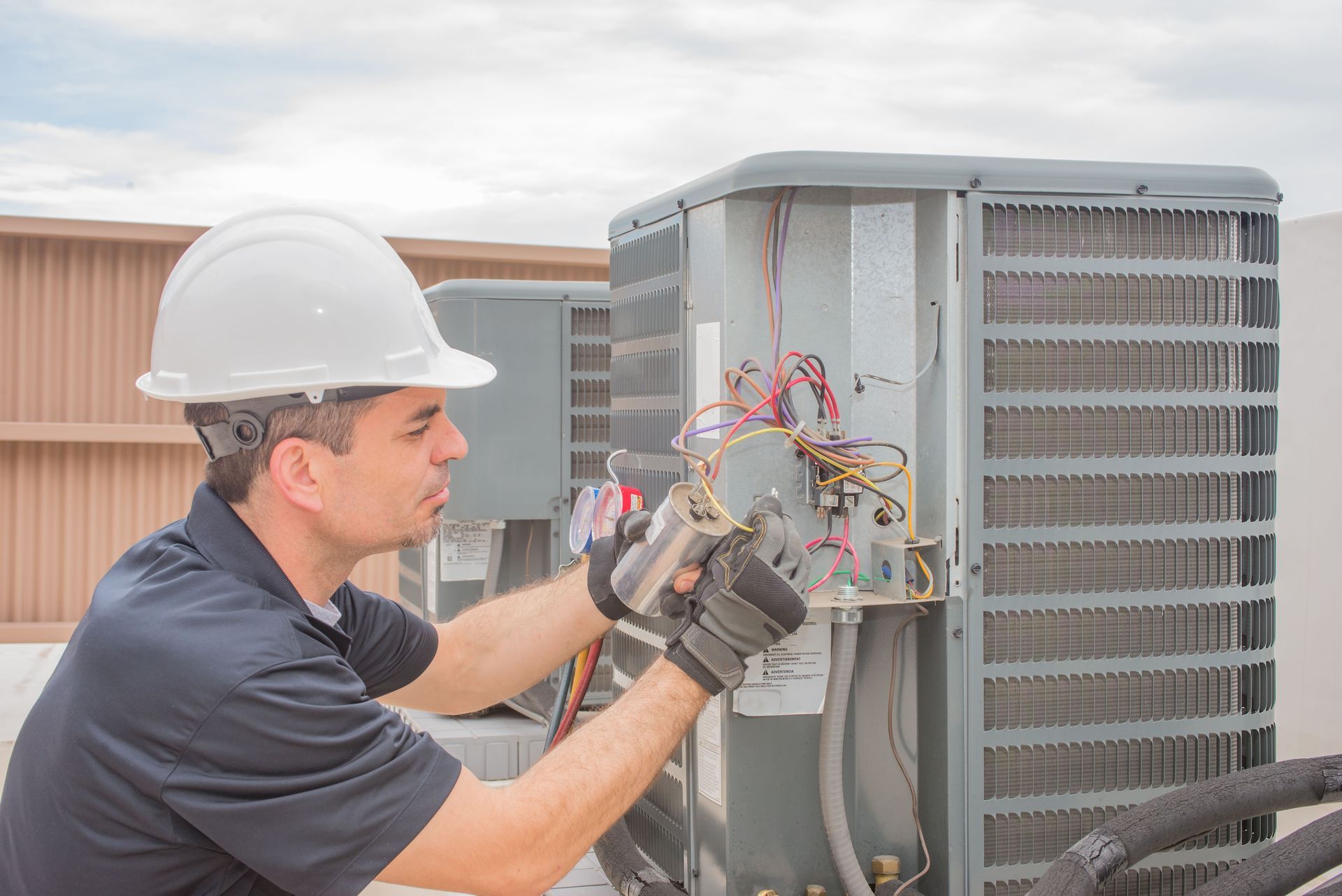
Buzzing or humming noises from your HVAC system may suggest electrical issues. Components like capacitors, wiring, or switches could be failing, causing this sound. Ignoring these sounds can lead to dangerous situations, as faulty electrical systems pose fire hazards. Regular checking and maintenance of electrical components can prevent such risks. It is vital to have professional HVAC services assess and repair electrical problems.
2. Poor Airflow
Weak Air from Vents
Weak airflow from vents is a clear indication of potential issues. This problem often stems from ductwork obstructions or malfunctions within the distribution system. Efficient airflow is crucial for maintaining consistent indoor temperatures. Regular duct checks and cleaning can resolve many airflow issues. Addressing weak airflow helps in the efficient operation of the HVAC system, reducing energy usage.
Uneven Temperature Distribution
Uneven temperature distribution within a space can indicate issues with the air delivery system. Often, this is due to poorly adjusted or blocked vents, causing inconsistent heating or cooling. Addressing these problems involves inspecting vent placements and ensuring obstructions are removed. Professional evaluation of the airflow system can also uncover underlying issues. Proper airflow ensures that all areas in a space receive adequate temperature control.
Blocked or Clogged Ductwork
Blocked or clogged ducts are a common cause of poor HVAC system performance. Dust, debris, or even biological growths can obstruct airflow, reducing efficiency. Regularly cleaning ductwork prevents these buildups, ensuring smooth airflow. Professionals can also assess the duct system for leaks or structural issues. Maintaining clean ducts prolongs system life and improves indoor air quality.
3. Inconsistent Temperatures
Thermostat Malfunctions
Erratic temperature readings often point to thermostat issues. A malfunctioning thermostat can result in the HVAC system cycling inefficiently. Timely calibration or replacement of faulty thermostats prevents energy waste. Thermostat troubleshooting should be part of regular maintenance routines. Properly functioning thermostats are crucial for even and cost-effective temperature control.
Faulty Heat Pumps
Malfunctions in the heat pump can lead to inconsistent heating or cooling. Diagnosing these issues often requires professional intervention for accurate repairs. Regular maintenance of heat pumps ensures their optimal operation. With annual inspections, potential problems can be addressed before they escalate. A well-maintained heat pump significantly contributes to consistent home or office temperatures.
Poor Insulation
Lack of proper insulation might lead to temperature regulation issues. Inadequate insulation causes heat loss or gain, putting extra strain on the HVAC system. Improving insulation efficiency reduces energy costs and maintains desired indoor temperatures. Conducting energy audits can identify weak insulation points within a home or office. Improved insulation is a cost-effective way to enhance HVAC efficiency.
4. Strange Smells
Musty or Moldy Odors
Musty or moldy odors from your HVAC system could indicate mold growth due to moisture. This situation not only affects system performance but also poses health risks. Mold can develop in condensate pans or within ducts if not addressed promptly. Regular inspection and cleaning mitigate mold risks and preserve air quality. Ensuring proper drainage and drying is crucial to preventing mold formation.
Burning or Electrical Smells
Burning or electrical smells emanating from an HVAC system are immediate causes for concern. Overheated components or wiring issues often produce these odors. These smells require urgent attention from professional HVAC services to prevent potential fire hazards. Regular electrical checks and immediate action on smell reports ensure system safety. Maintaining the HVAC electrical system's integrity is a priority for safe operation.
Sulfurous or Rotten Egg Smell
A sulfurous or rotten egg smell indicates the presence of a natural gas leak. Addressing this situation is critical as it poses health and safety threats. Evacuating the building and contacting professionals for diagnosis and repair is essential. Regular checks of gas connections and components help prevent leaks. Safety protocols for natural gas issues should always be observed.
5. High Energy Bills
Increased Costs Over Time
A gradual rise in energy bills can be a warning sign of inefficiencies within your HVAC system. As systems age or develop issues, they consume more energy to maintain performance levels. Identifying and addressing these inefficiencies is key to controlling costs. Over time, even small inefficiencies can lead to significant increases in energy expenses. Timely repairs and regular checks help maintain cost-effective HVAC operation.
Energy Usage Comparisons
Analyzing past energy bills can reveal whether equipment inefficiency is affecting usage. Comparing current bills with previous periods during the same seasons provides insights into abnormal consumption patterns. Conducting an energy audit can identify areas of inefficiency within the HVAC system. These insights allow for targeted repairs and improvements to optimize performance. Effective energy management begins with understanding past and present usage.
Potential Thermostat Issues
A malfunctioning thermostat can cause the HVAC system to run longer than necessary, increasing energy bills. Issues such as improper settings or faulty sensors result in extended running times. Regular calibration and checks of thermostats ensure they accurately control system operation. Addressing these issues prevents energy waste and ensures systems only run as needed. Professional inspection of thermostats maximizes HVAC efficiency and reduces costs.
6. Frequent Cycling
Understanding Cycles
Frequent cycling of your HVAC system could signal underlying problems. Short cycling causes wear and tear on components, reducing system effectiveness. Oversized systems or improper thermostat settings typically lead to frequent cycles. Consulting professionals can determine and correct cycle-related issues to maintain system health. Ensuring appropriate system sizing and thermostat configuration is crucial for operational stability.
Compressor Problems
Frequent start-stop activities may indicate compressor or refrigerant issues. A malfunctioning compressor can lead to inefficient cooling or heating cycles. Addressing any irregularities with professional evaluations is important for system longevity. Regular maintenance helps identify problematic compressor issues early, preventing costly repairs. A smoothly operating compressor is essential for consistent and efficient HVAC performance.
Thermostat Calibration
Incorrect thermostat settings might cause unnecessary cycling of the HVAC system. Accurate calibration is pivotal for maintaining efficient system operation. Professionals can assess and calibrate thermostats to ensure optimal performance. Fine-tuning thermostat settings ensures systems only operate as needed, reducing wear. Proper calibration results in reduced energy use and longer system life.
Recognizing and understanding these common signs can help you act promptly, ensuring your HVAC system runs efficiently and prolongs its lifespan. Regular maintenance and timely repairs from local HVAC services such as Lake Effect HVAC Company are key to avoiding higher costs and maintaining comfort in your home or office. Reach out to us today to get started with a free estimate!